

Quick answer
The Cape Peninsula entrance fee is 515 ZAR per person, valid until 31 October 2026. This standard conservation fee grants access to Cape Point, the Flying Dutchman Funicular, hiking trails, and coastal viewpoints within the Table Mountain National Park marine protected area. The fee supports fynbos restoration, baboon monitoring, and marine research programs across the reserve.
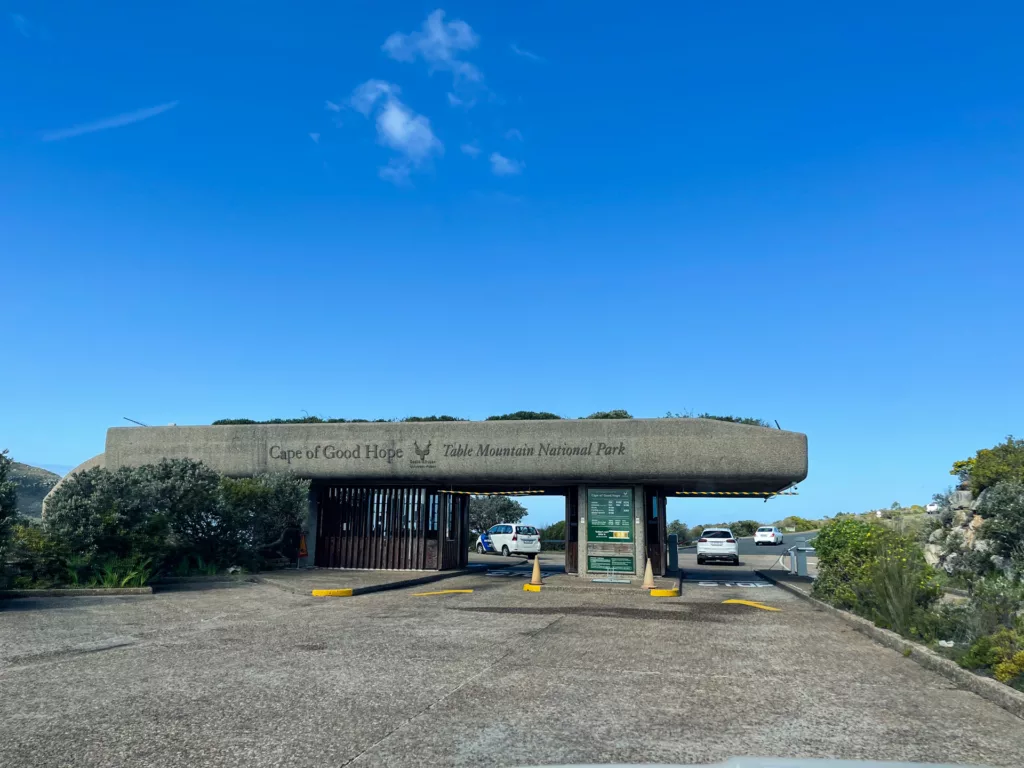
The Cape Peninsula's 7,750-hectare expanse protects more plant species than the entire United Kingdom—a fact that explains why SANParks treats this reserve as a living laboratory rather than a scenic backdrop. Your conservation fee underwrites everything from alien vegetation clearance to penguin colony monitoring at Boulders Beach, fifteen kilometers north. Access to Cape Point itself—the clifftop promontory where the Indian and Atlantic oceans meet—is controlled through a single entrance station on Cape Point Road. The gate opens at 06:00 daily, and rangers recommend arrival before 09:00 to avoid the mid-morning tour bus surge that clogs the funicular queue and upper lighthouse trails. Early light also delivers the clearest views across False Bay to the Hottentots Holland mountains, a sight obscured by coastal haze after 11:00 most days. The Cape Peninsula admission cost covers infrastructure you might not immediately notice: the boardwalks that keep foot traffic off fragile Cape floral kingdom vegetation, the baboon-proof waste bins that prevent human-wildlife conflict, and the research permits that allow marine biologists to tag great white sharks in the offshore waters. SANParks publishes an annual transparency report showing how gate revenue splits between operational costs and long-term ecological projects, a document available at the entrance office for visitors who ask. What the fee does not include is the Two Oceans Restaurant, the curio shop, or fuel at the small service station inside the reserve—these operate as private concessions. It also does not grant access to the nearby Cape of Good Hope section's western beaches after 18:00, when gates close regardless of season. Payment is accepted in rand, US dollars, or major credit cards at the entrance booth, though the machine occasionally rejects foreign chip cards without contactless capability. Keep your receipt; spot checks occur on the access road leading to the upper parking lot, and rangers issue fines for vehicles without valid proof of payment.
“The reserve protects more plant species per square kilometer than any other protected area on the continent.”
Daily Cape Peninsula Entrance Fee Hours of Operation
The Cape Peninsula gates maintain consistent daily operating hours throughout the week. Visitors may access the park from early morning until the evening closure time.
| Monday | 06:00–18:00 | |
|---|---|---|
| Tuesday | 06:00–18:00 | |
| Wednesday | 06:00–18:00 | |
| Thursday | 06:00–18:00 | |
| Friday | 06:00–18:00 | |
| Saturday | 06:00–18:00 | |
| Sunday | 06:00–18:00 |
Optimizing Your Arrival for the Cape Peninsula Entrance Fee
The best arrival window is between 06:00 and 09:00 to avoid mid-day tour bus crowds and witness sunrise over the peninsula. Arriving early provides the most consistent access to parking and clear paths to key landmarks.
Summer (Dec–Feb)
High volume during mid-day hoursWarm, windy, 18°C to 26°C. High season brings peak visitor numbers and bright, clear skies.
Winter (Jun–Aug)
Lower volume, quiet trailsCool, rainy, 10°C to 18°C. Frequent coastal storms occur but crowds are significantly thinner.
Shoulder (Apr/Oct)
Moderate volumeMild, 15°C to 22°C. These months offer a balance of temperate weather and fewer tourists.
Weekday mornings
Low volume—
Early arrivals experience the park before daily tour buses arrive from Cape Town.
Verdict: The best slot is weekday mornings, arriving at 06:00, during the shoulder months of April or October.
Navigating to the Cape Peninsula Entrance Fee Gate
The Cape Peninsula entrance is located at Cape Point Rd, Cape Peninsula, 7975, South Africa. Private vehicle travel via the M3 or M4 coastal routes remains the most reliable method for reaching the gate.
M3 south to M64 via Fish Hoek
Direct transfer from Cape Town city center
Guided tour bus from Cape Town
Key Points of Interest After Paying the Cape Peninsula Entrance Fee
The Cape Peninsula reserve contains diverse ecosystems and geographic landmarks spanning from rugged coastal cliffs to sheltered beaches. These points of interest are accessible via the internal road network after passing the gate.
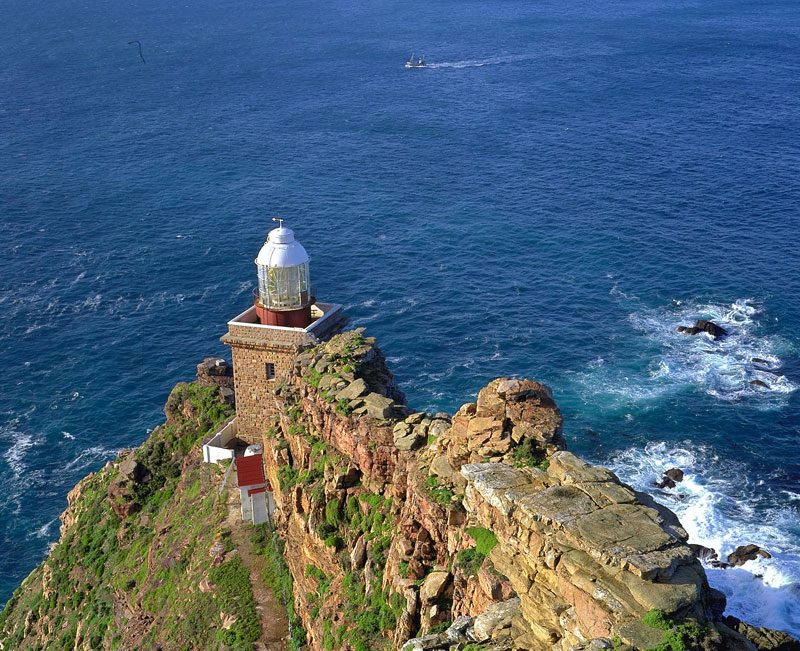
Cape Point Lighthouse
The historic lighthouse sits at the tip of the peninsula and offers views of the coastline. Visitors can reach it via the Flying Dutchman Funicular or a steep walking path.
Walk the path at sunrise to avoid the midday visitor rush.
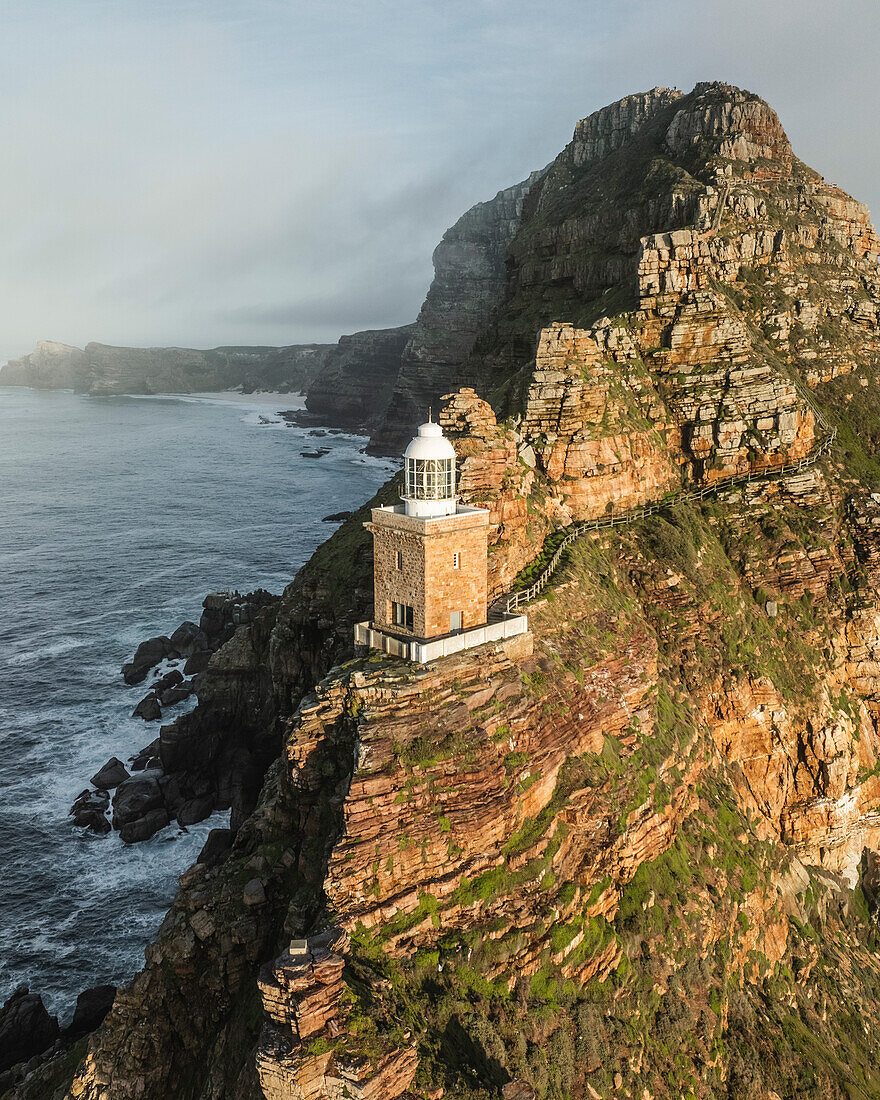
Old Lighthouse
This original structure remains as a beacon on the higher peak above the new lighthouse. It marks the traditional convergence point of the Atlantic and Indian Oceans.
Hike the stairs to the upper platform for 360-degree views.
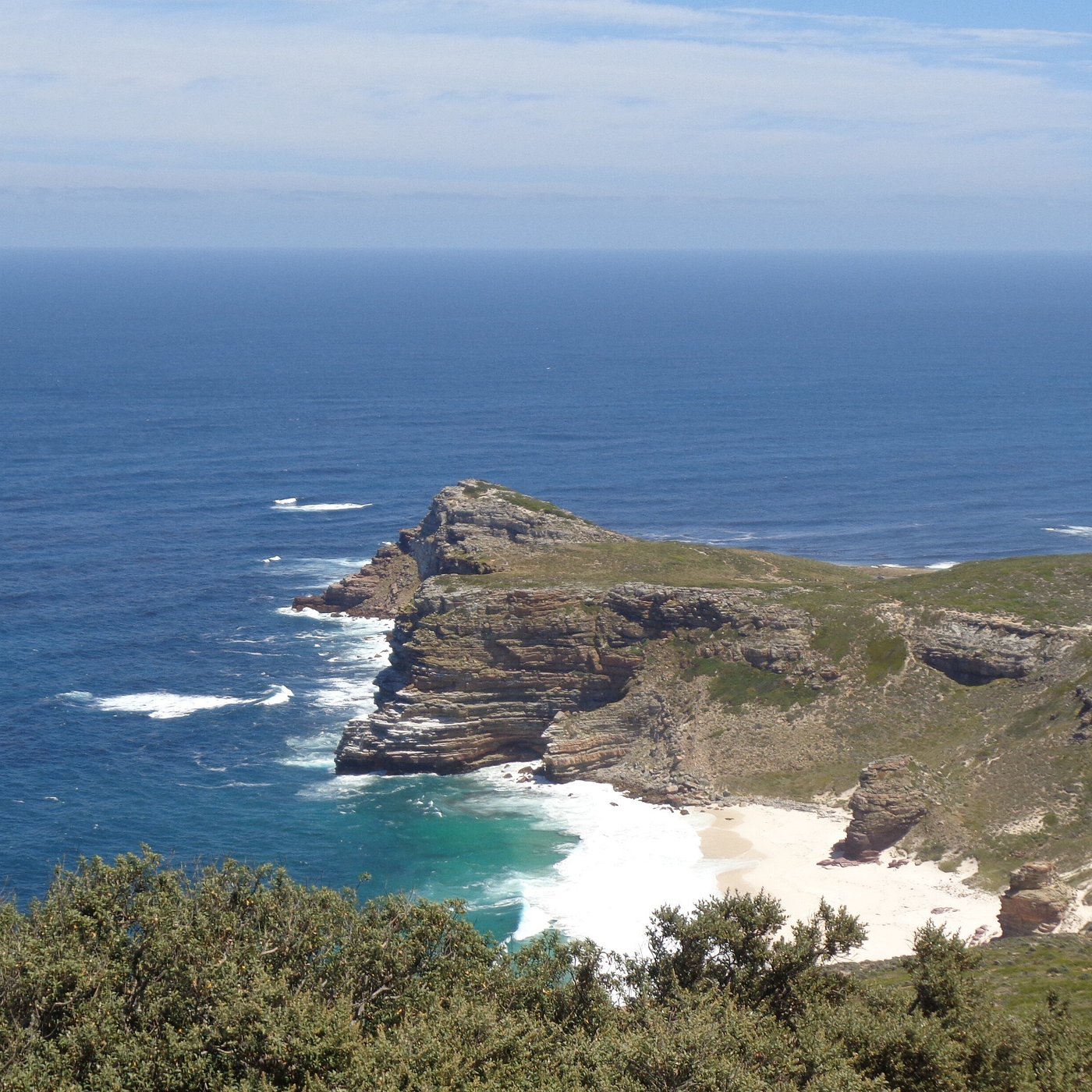
Dias Beach
A secluded stretch of sand tucked beneath high cliffs, accessible by a steep descent. It provides a quiet vantage point to observe the waves hitting the peninsula base.
Visit during low tide to safely access the shoreline.
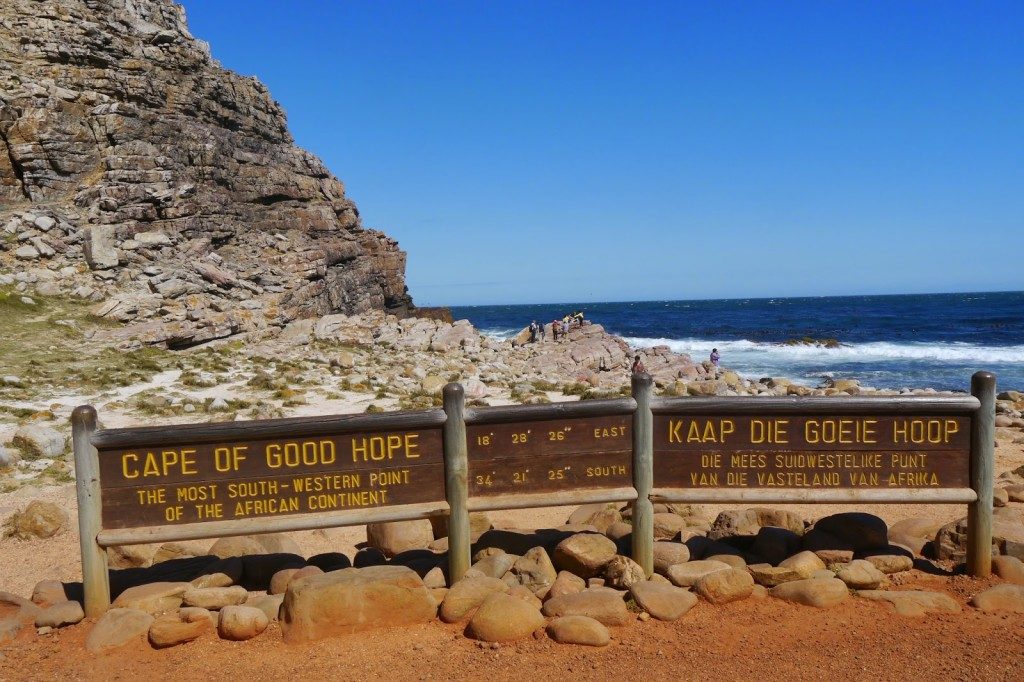
Cape of Good Hope
A rocky headland located at the southwestern tip of the African continent. This landmark serves as a significant navigation point in maritime history.
Follow the boardwalk trails to the official signpost marker.
Essential Pre-Visit Checklist for Cape Peninsula Entrance Fee
A few simple preparations will ensure smooth entry and a comfortable visit to the reserve.
-
Book your timed entry slot online — Reserve your 515 ZAR conservation fee ticket in advance to guarantee access.
-
Carry photo ID and booking confirmation — Gate staff verify all reservations against identification documents.
-
Pack sun protection and a wide-brimmed hat — The peninsula offers minimal shade along coastal paths and viewpoints.
-
Wear sturdy walking shoes with grip — Trails include uneven terrain and steep sections near cliff edges.
-
Bring sufficient water and snacks — No food vendors operate within the reserve boundaries.
-
Arrive during the 06:00–09:00 window — Early entry avoids mid-day tour bus crowds and secures parking near trailheads.
-
Check weather conditions the day before — Coastal fog and strong winds can close certain trails and viewpoints.
Check availability
Frequently asked questions about cape peninsula entrance fee
Everything you need to know about cape peninsula entrance fee