

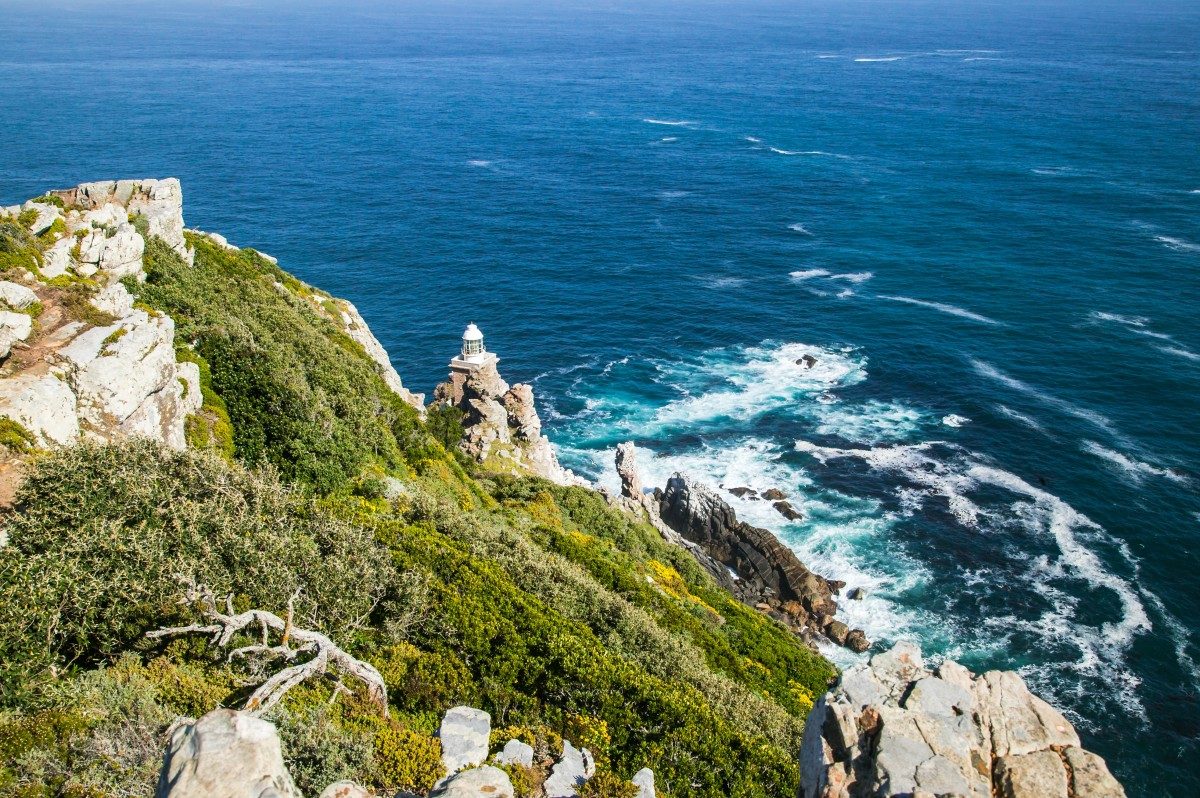
Quick answer
A Cape Peninsula tour itinerary typically spans 8–10 hours and includes Hout Bay, Chapman's Peak Drive, Cape Point (arriving 07:00–10:00 to avoid crowds), Boulders Beach, and the False Bay coast. Allow 90 minutes at Cape Point, 45 minutes at Boulders Beach, and factor 3–4 hours of cumulative drive time. The 515 ZAR Cape Point conservation fee is per international visitor.
The Cape Peninsula route forms a natural loop, but few itineraries account for the 1,000-step climb to the Cape Point lighthouse or the tidal windows that govern penguin viewing at Boulders Beach. The full-day Peninsula drive sweeps from the Atlantic Seaboard through the Table Mountain National Park marine reserve, returning via the calmer False Bay coast. Most Peninsula day trips follow a counterclockwise arc: Camps Bay, Hout Bay harbor, the cliff-edge Chapman's Peak toll road, and the Cape of Good Hope section of Table Mountain National Park. The reserve opens at 07:00 daily, and early entry ensures parking near the funicular base and avoids the 10:00–14:00 tour bus surge. The funicular saves the 1,000-step ascent to the old lighthouse, but walkers gain better views of the shipwreck coast below. Budget 90 minutes inside the reserve—half for the lighthouse, half for the Cape Point beach boardwalk and the most southwestern tip marker. Boulders Beach, 20 minutes north via Simon's Town, operates on colony rhythms rather than opening hours. African penguins nest year-round, but breeding season (February–August) concentrates birds near the boardwalks. Midday low tides expose more beach, though morning light favors photography. The wooden walkways loop through the colony in 30–45 minutes; sand access requires a separate beach entry. Return routes via Muizenberg and the coastal railway villages shave 40 minutes off the Chapman's Peak backtrack. The M3 highway rejoins Cape Town's southern suburbs by late afternoon, bypassing Atlantic coast traffic. Conservative Peninsula tour timing assumes 3.5 hours of driving, 2.5 hours at major stops, and 1–2 hours for meals or photo breaks—closer to 9 hours door-to-door than the advertised 6.
“The 1,000-step lighthouse climb and tidal penguin viewing windows govern Cape Peninsula timing more than published opening hours.”
Optimal Cape Peninsula Tour Itinerary: A Day Plan
This full-day itinerary suits visitors departing Cape Town by 7:30 AM, covering 140 km of coastal scenery and wildlife in roughly 9–10 hours including stops and transfers.
Depart Cape Town
Leave the city center southbound via the M3, passing through the southern suburbs toward the Atlantic coast. Allow 45 minutes to reach Hout Bay.
Hout Bay Harbor Stop
Brief pause at the working harbor; optional seal-island boat trips depart here if time permits, otherwise continue after 15–20 minutes.
Chapman's Peak Drive
Wind along this cliffside route with pullouts for photos; the 9 km stretch takes 20–25 minutes of driving plus stops.
Cape Point Nature Reserve
Enter through the main gate (conservation fee applies), then drive to the lower parking area and either hike or ride the funicular to the lighthouse viewpoint; budget 90 minutes total including the upper cape walk.
Two Oceans Restaurant Lunch
Refuel at the reserve's clifftop restaurant or bring a picnic to the designated areas near the parking lot; plan 45–60 minutes.
Boulders Beach Penguin Colony
Drive 30 minutes north to Simon's Town, then walk the boardwalks to observe African penguins nesting among granite boulders; allow 45 minutes.
Muizenberg or Kalk Bay
Optional stop along False Bay for a beach walk or gallery browse in the fishing village; 30 minutes keeps you on schedule.
Return to Cape Town
Drive back via the M4 and M3, arriving in the city by 17:00–17:30 depending on traffic.
Best Time and Arrival Window for Your Cape Peninsula Tour Itinerary
The optimal time for a Cape Peninsula tour is early morning to avoid peak tour bus traffic and the intensity of the midday sun. Arriving during the shoulder seasons offers a balance of manageable visitor numbers and favorable coastal conditions.
07:00–10:00
Low to moderate—
Arrive during this best arrival window to avoid peak mid-day tour bus crowds and heat.
Summer (Dec–Feb)
HighWarm and windy, 20°C–26°C
Expect clear skies and high visitor volumes during the peak holiday season.
Autumn (Mar–May)
ModerateMild and pleasant, 15°C–22°C
This period offers calm conditions and fewer crowds, making it ideal for outdoor exploration.
Spring (Sept–Nov)
ModerateCool to mild, 14°C–20°C
The weather is stable with lower humidity, suitable for navigating the site's 1000 steps.
Verdict: For the quietest experience, visit on a weekday morning during April or October, ensuring you are at the gates between 07:00–10:00.
Operating Hours for the Cape Peninsula Tour Itinerary
The Cape Point section of the Cape Peninsula remains open daily to visitors. Please note these hours apply to general park access.
| Monday | 07:00–17:00 | |
|---|---|---|
| Tuesday | 07:00–17:00 | |
| Wednesday | 07:00–17:00 | |
| Thursday | 07:00–17:00 | |
| Friday | 07:00–17:00 | |
| Saturday | 07:00–17:00 | |
| Sunday | 07:00–17:00 |
Key Stops on Your Cape Peninsula Tour Itinerary
The Cape Peninsula offers a collection of distinct landmarks ranging from rugged coastal cliffs to sheltered bays. These sites provide a comprehensive view of the region's natural diversity.
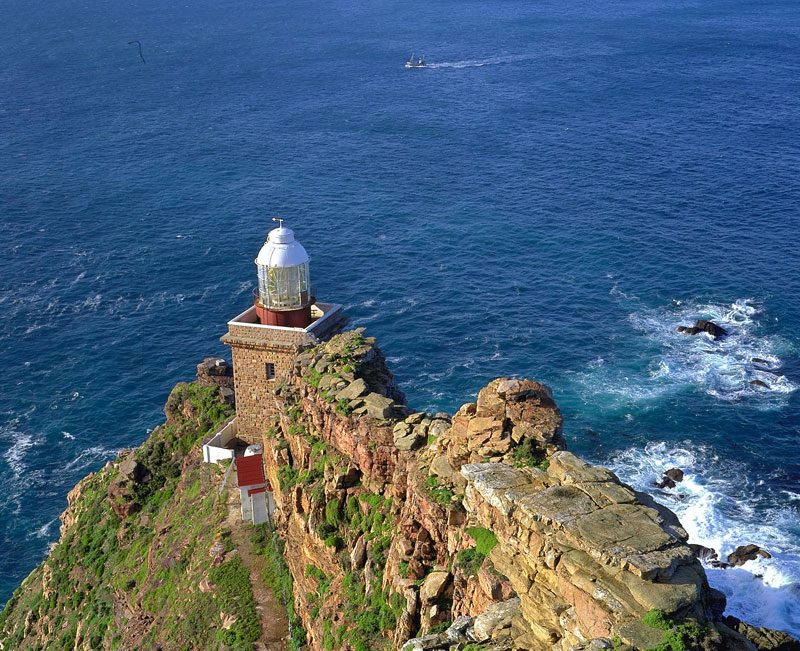
Cape Point Lighthouse
Located at the tip of the peninsula, this structure is accessible via the Flying Dutchman funicular or a walk of 1000 steps. It offers panoramic views of the Atlantic and False Bay coastline.
Walk the final path for clearer ocean perspectives.
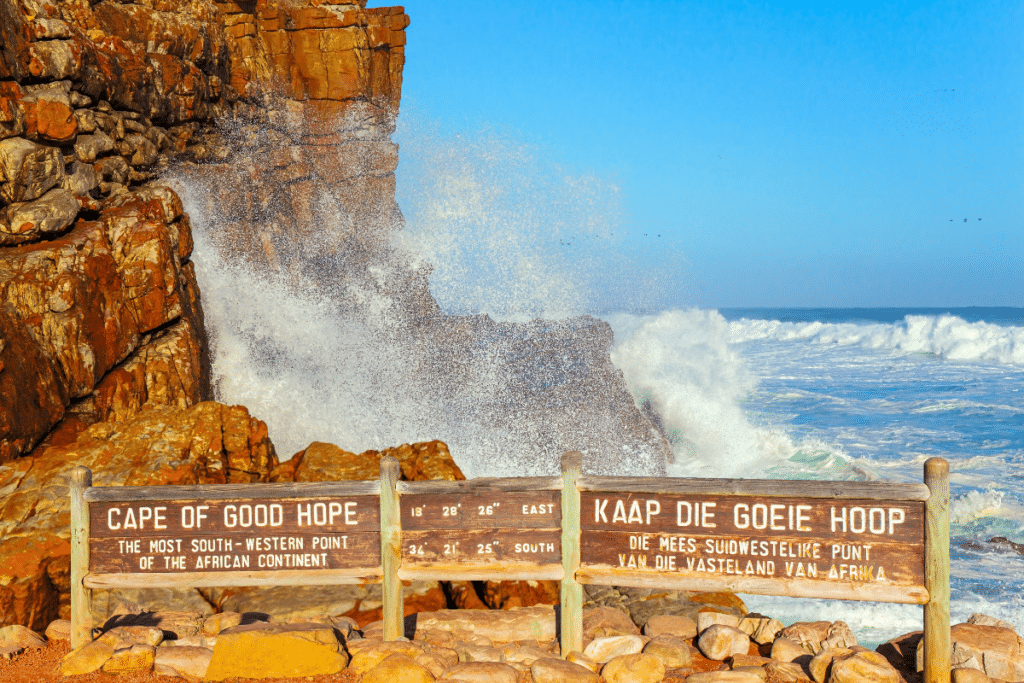
Cape of Good Hope
Marked by a prominent sign, this rocky headland is often cited as the southwesternmost point of the African continent. It serves as a central point for photography and coastal exploration.
Visit early to photograph the sign without queueing.
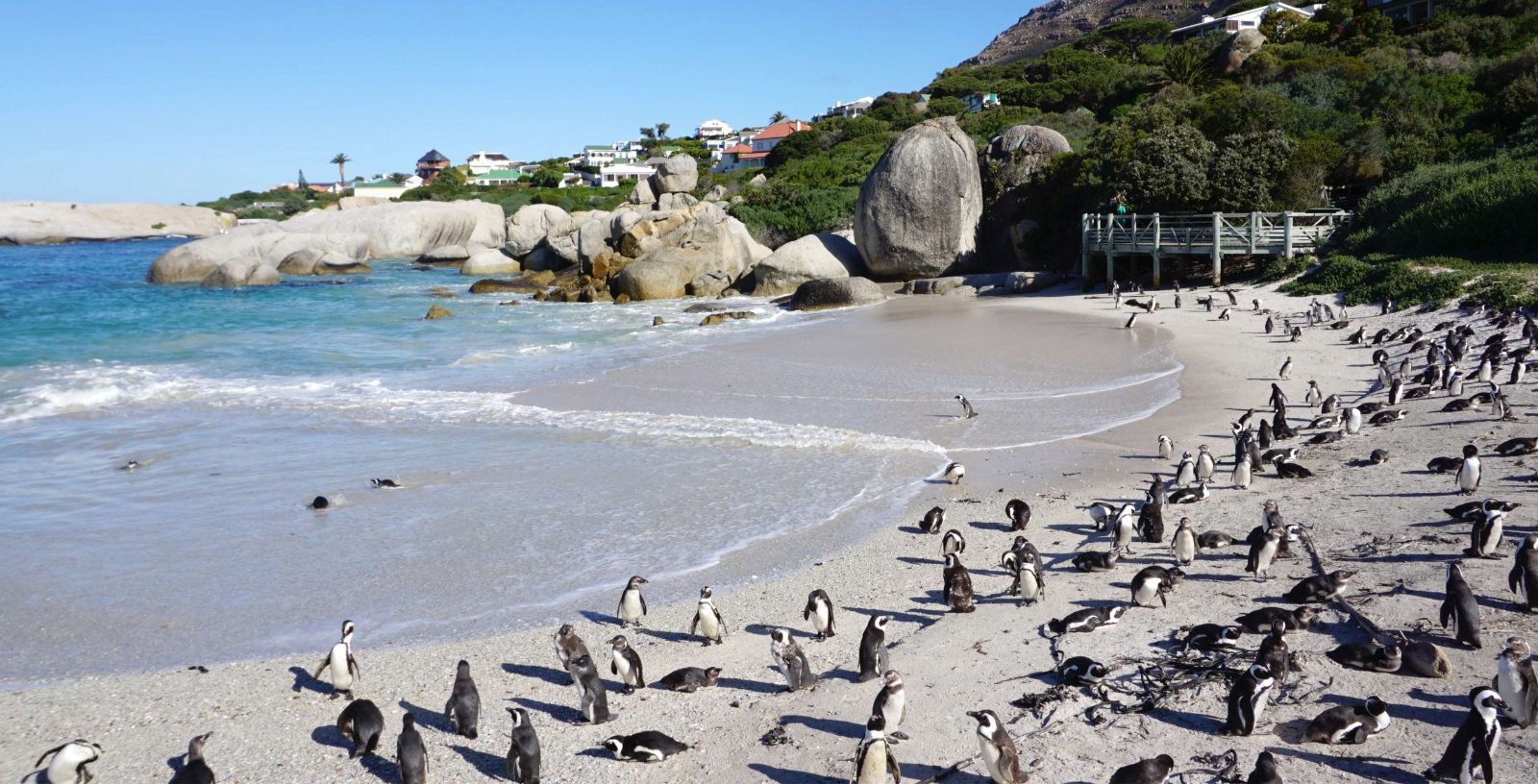
Boulders Beach
This sheltered cove is famous for its colony of African penguins that inhabit the granite boulder-strewn shoreline. Elevated boardwalks allow for close observation of the birds in their natural environment.
Use the southern boardwalk entrance to see more penguins.
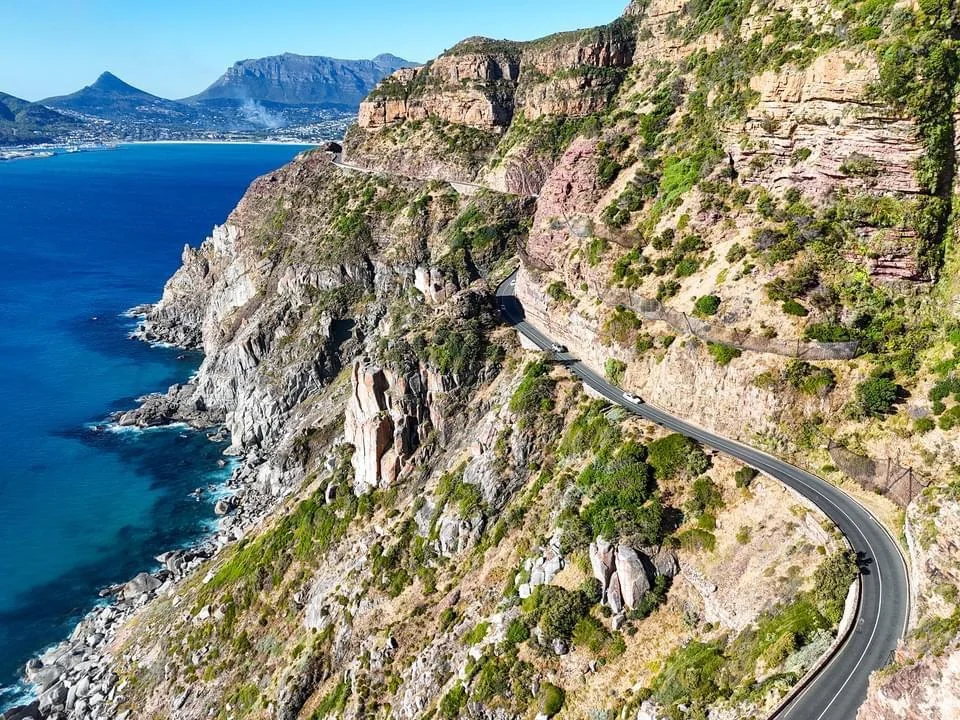
Chapman’s Peak Drive
This iconic coastal road connects Hout Bay to Noordhoek, carved directly into the cliffside above the Atlantic Ocean. The route features multiple designated pull-offs for viewing the geology and water below.
Stop at the designated outlook points for safer photography.
Preparation Checklist for Your Cape Peninsula Tour Itinerary
Prepare for a full-day coastal tour that includes the 1000-step climb to Cape Point's upper viewpoint.
-
Wear closed hiking shoes or trainers — The 1000 steps to the upper viewpoint require sturdy footwear with good grip.
-
Bring sun protection and a hat — Exposed coastal paths offer little shade, especially between 10:00 and 15:00.
-
Pack water and snacks — Limited food vendors operate along the route; stay hydrated during the climb.
-
Carry a light windbreaker — Coastal winds can be strong and temperatures drop quickly near the cliffs.
-
Charge your phone or camera fully — Signal is unreliable in parts of the reserve for navigation or emergency contact.
-
Arrive by 10:00 to avoid crowds — Tour buses peak mid-day; early arrival ensures cooler temperatures and smaller groups.
Check availability
Frequently asked questions about cape peninsula tour itinerary
Everything you need to know about cape peninsula tour itinerary